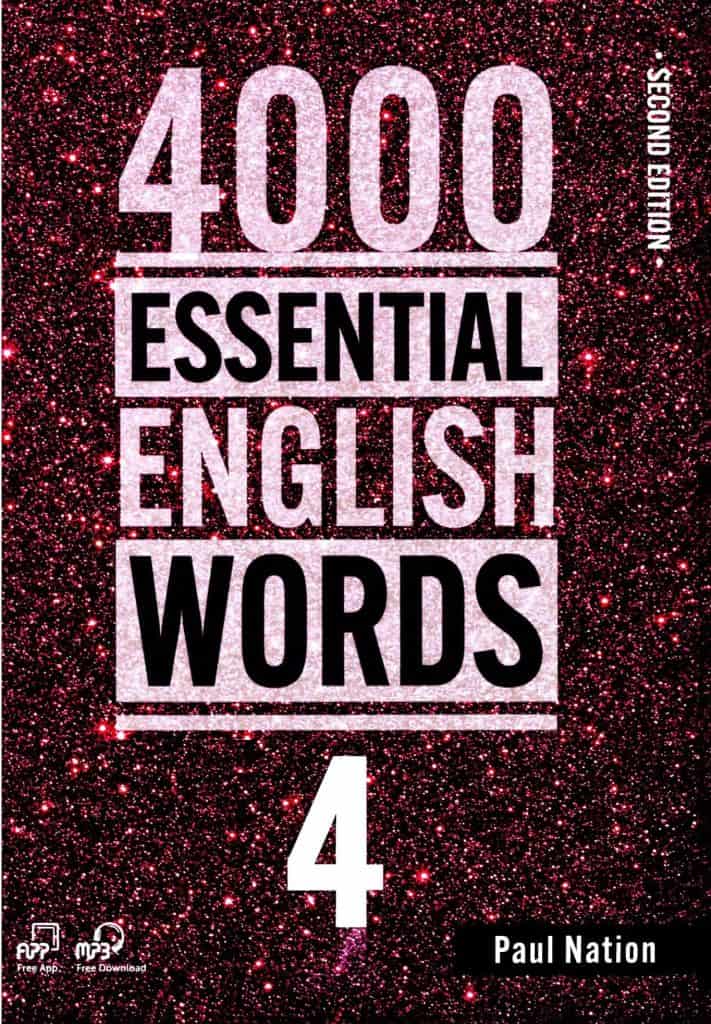
About This Book
4000 Essential English Words Book 4 is the fourth book of the 4000 Essential English Words series. The destination page is headed with this post’s exact title, and the file it serves, ‘4000 Essential English Words, Book 4.pdf’, carries exactly this book’s name in the host’s comma form — the same volume under the filename the site serves it by. The book’s work is the deepening of the core: the fourth tranche of the four thousand, pitched at the register where English stops merely functioning and starts commanding.
A series that counts its words in its name makes a promise its later books must keep. The earlier tranches bought comprehension — survival, narrative, argument; this tranche buys authority: the formal register of reports and examinations, the precise term that ends a negotiation about meaning, the word whose choice tells a listener this speaker owns the language rather than renting it. Book 4’s selections therefore live at the language’s polished edge, and its exercises must train judgement as much as memory — when the formal word is right, when it is merely showing off, and when the plain word beats both. The fourth book also inherits the series’ growing estate of earlier property, and its revisiting load is the heaviest so far: the running audit must find the earlier words still standing while the new tranche is installed. Learners who finish here hold the core’s commanding heights, with two of the series’ six books still to come.
What Learners Will Practise
Register Judgement
Learners practise choosing between the formal word, the plain word, and the showy word. Command is mostly this choosing, done at speed.
The Polished Edge
The book practises the vocabulary of reports, examinations, and formal address. These are the rooms where range is graded and remembered.
The Running Audit
Readers practise holding the growing core while the new tranche lands. Growth that loses the earlier words on the way is a defeat wearing a medal.
Key Features
The commanding register is the feature: the core’s heights, countable and auditable. The register training is the second — judgement over mere rarity — and the shelf fit the third, the fourth instalment beside this list’s third and first words books. On this shelf it builds the command here.
Who This Book Is For
Advanced learners whose English works and must now impress are its first audience. Teachers form its second readership, preparing candidates for graded range. Self-studiers make its third, keeping the promise.
How to Use This Book
Train register explicitly: rewrite plain sentences formally and formal sentences plainly, and discuss what each version signals. Hold a running audit regularly — sampled pages from all four books so far — before moving on to the fifth. Then read something genuinely hard; the growing core should feel like equipment, not memory.
Related Books
The third words book stands at 4000 Essential English Words Book 3, and the first words book at 4000 Essential English Words Book 1.